Kegging is the upgrade most homebrewers wish they had made sooner. Bottling a 5-gallon batch takes two hours including sanitizing, filling, capping, and waiting two weeks for carbonation. Kegging the same batch takes twenty minutes and pours in 24 to 48 hours. The gear is simple: a Ball-Lock Cornelius Keg 5-Gallon (New), a Taprite T742HP Dual Gauge CO2 Regulator, CO2, and something to keep it cold. This guide covers every component you need, what each one does, and how to choose between a turnkey kegerator and a DIY chest freezer conversion.
Quick answer
A complete first kegging system needs a Cornelius keg, a CO2 cylinder, a dual-gauge regulator, ball-lock disconnects, beer line, and a cold storage solution. The Kegco Complete Ball-Lock Draft Line Kit covers the disconnect-to-tap components. Add a Ball-Lock Cornelius Keg 5-Gallon (New), a Luxfer 5 lb Aluminum CO2 Cylinder (Empty), and a Taprite T742HP Dual Gauge CO2 Regulator, and you are ready to keg. Budget $300 to $500 total for a functional first setup.
This guide contains affiliate links. BrewMason may earn a commission at no cost to you.
The core kegging components: what every setup needs
A kegging setup has five essential parts. First, the Cornelius keg -- the Ball-Lock Cornelius Keg 5-Gallon (New) in the ball-lock format is the standard for homebrewing. Ball-lock kegs have more accessories, wider parts availability, and are what every homebrew shop stocks. Buy new if you can: a new keg comes with fresh o-rings and posts in known condition. Used kegs save money but require inspection of all seals before trusting them with carbonated beer.
Second, the CO2 cylinder. The Luxfer 5 lb Aluminum CO2 Cylinder (Empty) is the standard homebrewing tank -- it fits inside most kegerators alongside two Cornelius kegs and holds enough CO2 to carbonate and serve 20 to 40 kegs before needing a refill. Have it filled at a local homebrew shop or gas supplier.
Third, the regulator. The Taprite T742HP Dual Gauge CO2 Regulator is the community default -- it shows both tank pressure and serving line pressure simultaneously, which matters when you are troubleshooting carbonation. The Inkbird CO2 Dual Gauge Draft Beer Regulator is a budget alternative that works well for a first setup.
Fourth, the draft line components -- disconnects, beer line, and a tap. The Kegco Complete Ball-Lock Draft Line Kit bundles all of these together in ball-lock format, which is the fastest way to get from an empty keg to a poured pint. The picnic tap style is portable and works well for homebrew club presentations and casual serving.
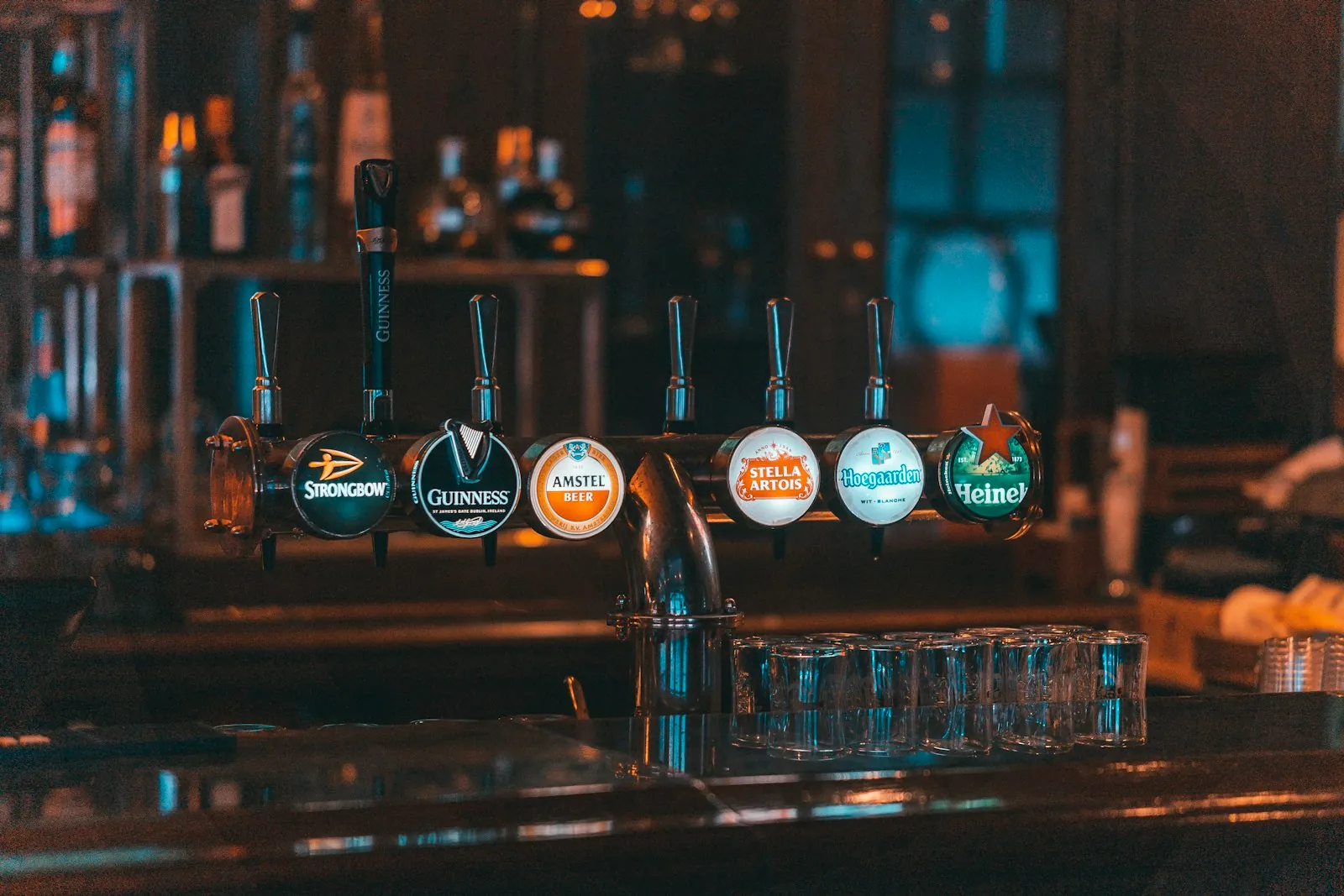
Fifth, a way to keep the keg cold. A dedicated unit like the Kegco K309SS-2 Dual-Tap Homebrew Kegerator is the cleanest option for a two-keg setup. A DIY chest freezer conversion with the Inkbird ITC-308 Dual Stage Temperature Controller is the most cost-effective route and holds more kegs for the same money.
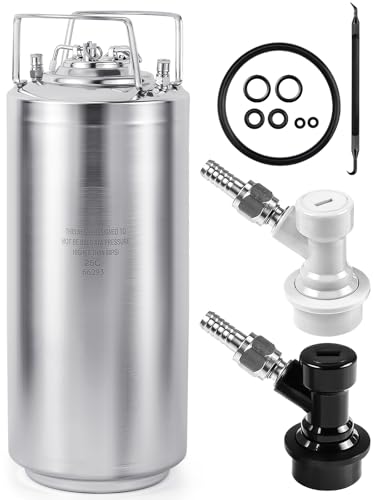
Ball-Lock Cornelius Keg 5-Gallon (New)
A new stainless 5-gallon ball-lock Cornelius keg with all-new lid o-ring and posts -- the standard homebrew keg format compatible with all ball-lock disconnects and draft lines.

Luxfer 5 lb Aluminum CO2 Cylinder (Empty)
A standard 5 lb aluminum CO2 cylinder for homebrewing draft systems, sized for 1 to 3 Cornelius kegs and small enough to fit inside most kegerators.

Taprite T742HP Dual Gauge CO2 Regulator
The most recommended dual-gauge CO2 regulator in homebrew kegging forums -- shows both tank pressure and serving pressure with a reliable safety relief valve.

Kegco Complete Ball-Lock Draft Line Kit
A complete draft line kit including ball-lock disconnects, 5/16-inch beer line, a picnic tap, and a drip tray -- everything needed to pour from a Cornelius keg without a full kegerator.
Turnkey kegerator versus DIY keezer: what fits your situation
The Kegco K309SS-2 Dual-Tap Homebrew Kegerator is the right choice if you want a finished, professional-looking unit that requires no assembly beyond hooking up the CO2. It holds two 5-gallon Cornelius kegs, has a digital temperature readout, and looks like it belongs in a bar rather than a garage. The trade-off is price -- a dual-tap kegerator costs $700 to $850, significantly more than a DIY conversion.
A DIY keezer is a 7-cubic-foot chest freezer plus an Inkbird ITC-308 Dual Stage Temperature Controller ($28 to $38) to keep the temperature at 38 to 42 degrees without freezing. Cut or drill a small hole in the side for CO2 line routing with a grommet, add a basic wooden collar to the lid for tap towers, and you have a setup that holds four Cornelius kegs for $400 to $500 total -- less than a dual-tap kegerator with more capacity. The trade-off is build time and a utilitarian appearance.
For 10-gallon batches you will always have two kegs active simultaneously, making the keezer the better value. For a clean finished look in a living space, the Kegco K309SS-2 Dual-Tap Homebrew Kegerator earns its price.

Kegco K309SS-2 Dual-Tap Homebrew Kegerator
A dedicated homebrewing kegerator sized for two 5-gallon Cornelius kegs, with dual taps, digital temperature control, and a stainless drip tray -- the complete turnkey draft solution.

Inkbird ITC-308 Dual Stage Temperature Controller
The homebrewing community default dual-stage fermentation temperature controller -- one outlet for cooling, one for heating, accurate to within a degree, and priced under $35.
Common kegging problems and how to avoid them
Foamy pours are the most common kegging issue. Causes include serving pressure too high, beer line too short, serving temperature too warm, or beer that is over-carbonated. Use a carbonation calculator to dial in the correct psi for your line length and temperature before assuming the hardware is at fault.
Leaking kegs are almost always a bad o-ring. Spray all connections with Star San foam and watch for bubbles with CO2 connected. Replace the lid o-ring first -- that is the most common leak point on used kegs. New posts and poppets are the next suspects. Buying a new Ball-Lock Cornelius Keg 5-Gallon (New) eliminates this entirely since all seals are fresh.
The dual-gauge Taprite T742HP Dual Gauge CO2 Regulator is your diagnostic tool for both problems -- if the tank gauge is dropping without any beer being served, you have a leak somewhere. If the line pressure gauge cannot hold steady, check the regulator adjustment and lock nut.
Ball-Lock Cornelius Keg 5-Gallon (New)
A new stainless 5-gallon ball-lock Cornelius keg with all-new lid o-ring and posts -- the standard homebrew keg format compatible with all ball-lock disconnects and draft lines.
Taprite T742HP Dual Gauge CO2 Regulator
The most recommended dual-gauge CO2 regulator in homebrew kegging forums -- shows both tank pressure and serving pressure with a reliable safety relief valve.
Inkbird ITC-308 Dual Stage Temperature Controller
The homebrewing community default dual-stage fermentation temperature controller -- one outlet for cooling, one for heating, accurate to within a degree, and priced under $35.
Ball-Lock Cornelius Keg 5-Gallon (New)
A new stainless 5-gallon ball-lock Cornelius keg with all-new lid o-ring and posts -- the standard homebrew keg format compatible with all ball-lock disconnects and draft lines.
Taprite T742HP Dual Gauge CO2 Regulator
The most recommended dual-gauge CO2 regulator in homebrew kegging forums -- shows both tank pressure and serving pressure with a reliable safety relief valve.
Luxfer 5 lb Aluminum CO2 Cylinder (Empty)
A standard 5 lb aluminum CO2 cylinder for homebrewing draft systems, sized for 1 to 3 Cornelius kegs and small enough to fit inside most kegerators.
Kegco Complete Ball-Lock Draft Line Kit
A complete draft line kit including ball-lock disconnects, 5/16-inch beer line, a picnic tap, and a drip tray -- everything needed to pour from a Cornelius keg without a full kegerator.
Kegco K309SS-2 Dual-Tap Homebrew Kegerator
A dedicated homebrewing kegerator sized for two 5-gallon Cornelius kegs, with dual taps, digital temperature control, and a stainless drip tray -- the complete turnkey draft solution.
Inkbird CO2 Dual Gauge Draft Beer Regulator
An affordable alternative to the Taprite dual-gauge regulator with the same basic dual-gauge design and a lower entry price.
Inkbird ITC-308 Dual Stage Temperature Controller
The homebrewing community default dual-stage fermentation temperature controller -- one outlet for cooling, one for heating, accurate to within a degree, and priced under $35.
FAQ
Frequently asked questions
How do I carbonate homebrew in a keg?+
The easiest method is set-and-forget carbonation: connect CO2 at 10 to 12 psi, put the keg in the cold, and wait 7 to 10 days. The CO2 slowly dissolves into the beer at serving pressure. A faster method is burst carbonation at 30 psi for 24 to 48 hours, then dial back to serving pressure. Do not shake the keg to force carbonate -- it can over-carbonate unevenly.
How do I clean a Cornelius keg between batches?+
After emptying, pressurize with a few psi of CO2 to push out any remaining liquid. Disassemble the lid, posts, and dip tube. Soak all parts in PBW or OxiClean Free for 30 minutes. Rinse thoroughly, then reassemble and sanitize with Star San solution pushed through the keg and out the dip tube. Let the Star San drain completely and fill with the next batch.
What serving pressure should I use for homebrew?+
Most homebrew ales pour well at 8 to 12 psi at 38 to 42 degrees F. Carbonation level, line length, and temperature all interact to determine the right pressure. Use an online carbonation calculator with your target volumes of CO2 and serving temperature to dial in the exact psi. Too much pressure causes foam; too little causes flat pours.